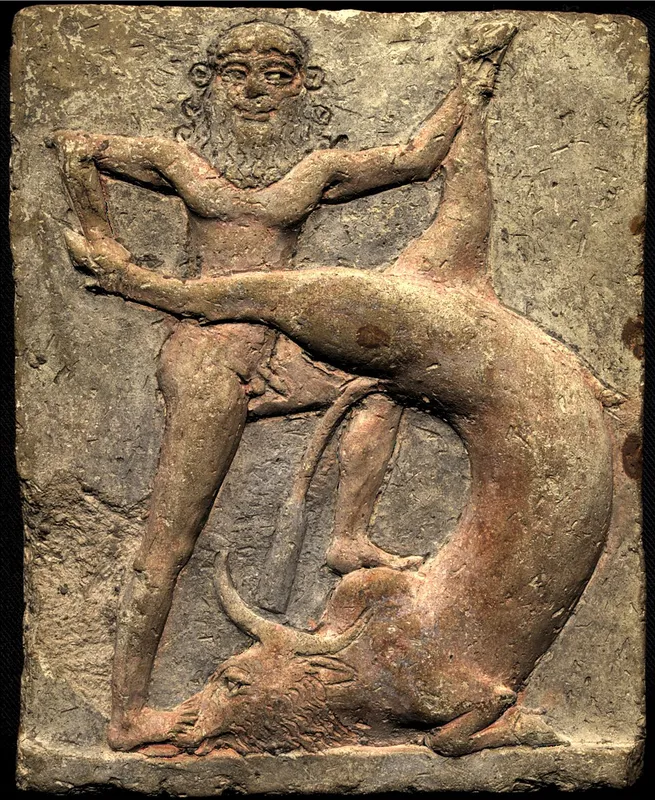
Gilgamesh
read more
Gilgamesh
read moreWomen tame wildness in man, and brotherhood is a love that sharpens excellence, even when death comes for us all.
A collection for the growing of a leader
We will know the work of their education is done when they can:
I am influenced strongly by Laszlo Polgar, Rob Gray, Stanislas Dehaene, and the Education of Cyrus (Mirrors for princes in general). Except instead of Polgar’s chess, the game is Command.
Why so high a mark? It is easy to step down from one’s education. It is much harder to rise above it. Further, it is the chief bottleneck of our times that we can affect immediately.
I do not have a set expectation for our children to rule- however, by preparing them for such an occasion, they will be prepared for everything else: whether they might desire to become bakers, internet editors, party hosts, or VR artists.
You will see that this list does not fit all. Plants of the same species, from the same parent, can look very different depending on what side of a path they grow on.
You could apply the list of how we tell our work of educating a child is done, and come up with a different list of activities, texts, videos, games, and so on.
Much of this is informed by where we live, who we live with, and where our ancestors lived. It would look drastically different if we were urban, for example. LLMs and spaced repetition are unmentioned, though they are integrated into our lives. You can find plenty of that from today’s elite, elsewhere. I’m not sure you’d find anything like what this focuses on, which is why this is published.
This assumes four premises that are unusual to actually adopt. Firstly, that education could be anything other than preparation for a credential used to get a stable form of economic employment in someone else’s house. Secondly, that education can be put to the purpose you find most fitting for the future you expect your children to face. Thirdly, from Polgar, James Mill, the Gracies, and the like: that you can call your shot. And finally, that no matter the changes in technology and environment, there are invariants of life that held for recorded history, and will hold for the next century.
There are many items not listed here that we nevertheless use. Things will change between each child and their circumstances. One might get focused on fixing tractors, another on making costumes, and the third may be obsessed with editing short-form video.
We will adapt to them, but with the same end in mind: command of body, mind, and environment- to put their hands on the world around them with commitment, and so join the world.
There are some assumptions about the context of this curriculum. A lot of this is in what they will see us do everyday, which I bet will lead them to forms of play that we will further encourage.
The loop is:
This would not always happen- it’s on us to notice when they’re interested, to make use of it to help them develop their skill.
Another loop is:
Where possible, we provide prosthetics for them to aid or mimic us (such as the station for them to work with the kitchen counter).
We will also give them increasing responsibility over the other animals, so they might learn husbandry.
They will have patches of land to do with as they wish, as soon as they show interest.
Access to basic lab equipment, tools, breadboards, and so on, so they can jump in and help or mimic whatever we’re up to. Where possible we will involve them in our businesses.
We’ll have a home server network, that they will also have to help maintain when something breaks and they want to do something with it. This shows a general philosophy: their involvement in the maintenance of their living will provide opportunities for learning.
We will answer their questions and involve them whenever they show interest, to enable them to explore what they wish.
Let’s say they develop an interest in mangonels. It is at this time that we can jump in and help build a small but working mangonel. As we build it, we expose the math we needed to build it. Over time these experiences will stack up.
Arithmetic will be practiced by the basic math needed for games and projects.
They will have old laptops with light linux builds, with games from this list and key tools pre-installed. Other modifications and installations will be theirs to figure out. We may put some limits on content and addresses they can reach, but the limits will be there for them to learn to break. This is also a general pattern.
When they do things we really don’t want them to do, we can start with negotiation but move quickly to physical intervention if necessary. After, we can explain why we did what we did, and what they can do if they didn’t like the feeling of being physically controlled.
As a father, I assume the most important time for me to physically be around is between the ages of 5–11. That the most crucial period in general for them to be around us is 0–8.
So if, after 11 or so, they really want to go to school, we will let them go to school.
Once 15, they are practically adults, and we’re just there to support them as deeply involved investors.
Where possible, we give the older ones responsibility to care for the younger ones.
As soon as it is possible for them to enroll in sports, we will enroll them. It’s nice that Wyoming requires schools to allow this at public schools, even if the children are not enrolled in school.
The oldest stories, told in the dark
Women tame wildness in man, and brotherhood is a love that sharpens excellence, even when death comes for us all.
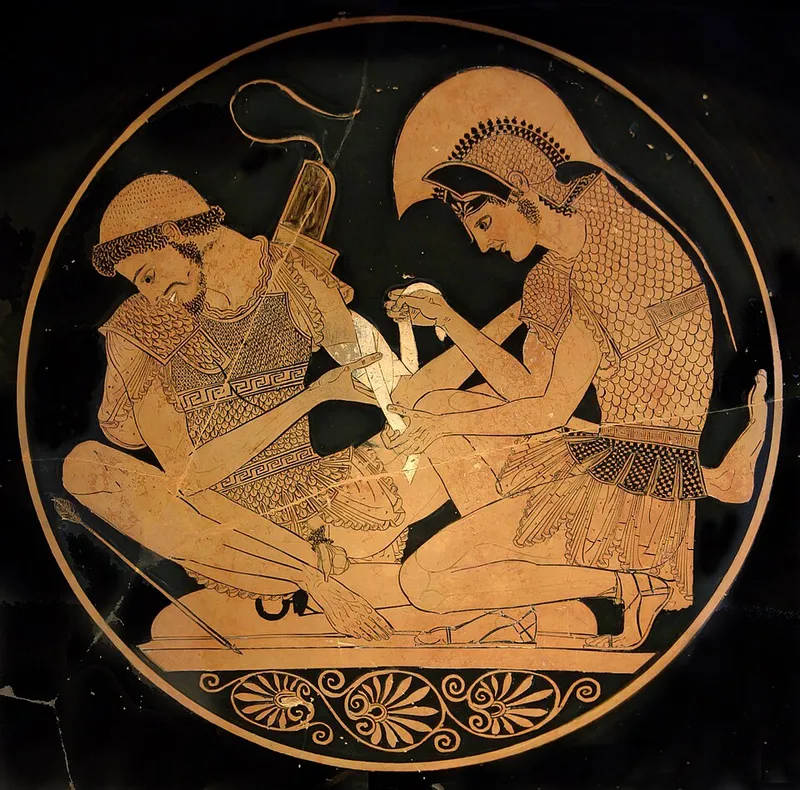
True enemies are a font for excellence, and being remembered by them is everything.
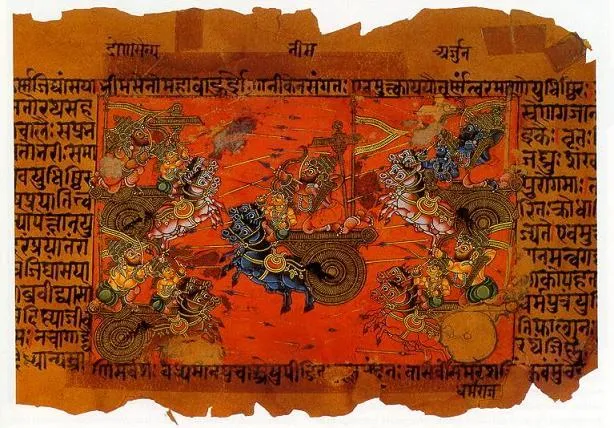
Your duty may be distasteful, but it grows the whole.
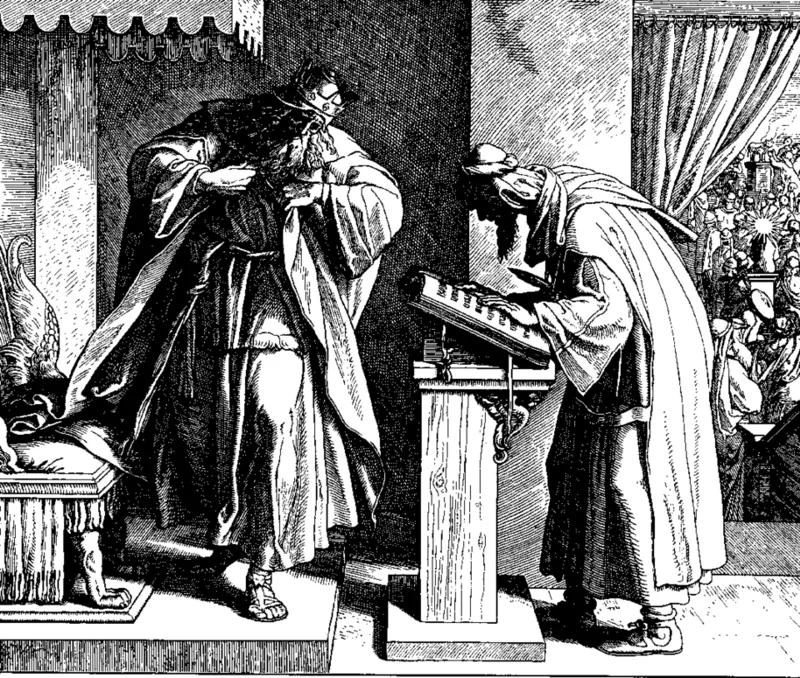
The God of Abraham still echoes in most minds you will meet.
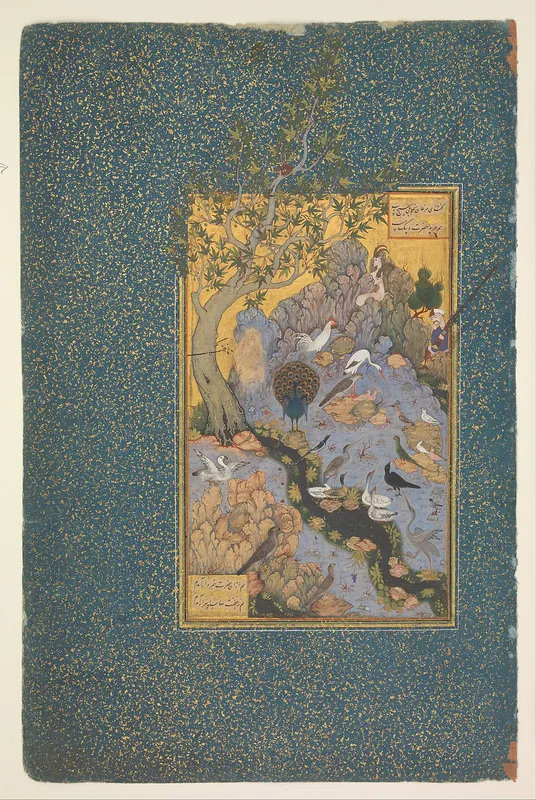
What you seek is in you, and all there is makes you.
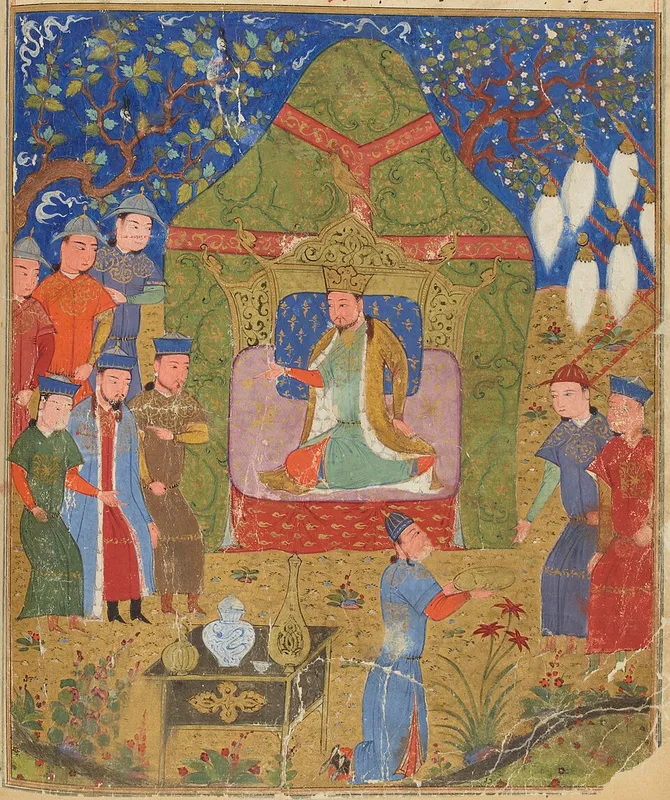
Unity wins when fitness is what unites.
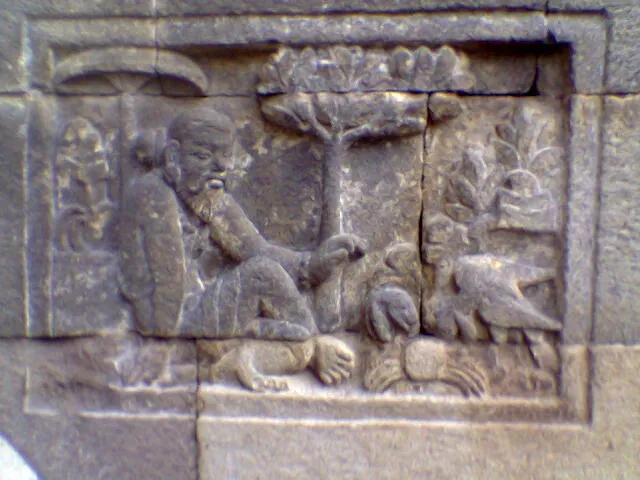
Looking at animal behavior provides an analogy for our own behavior.
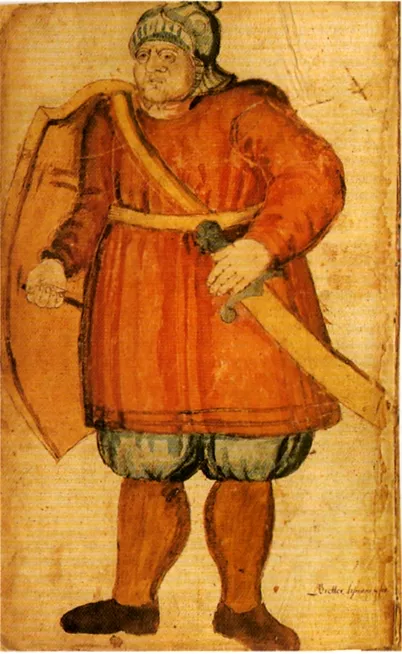
Your capacity to take matters especially when you are doomed.
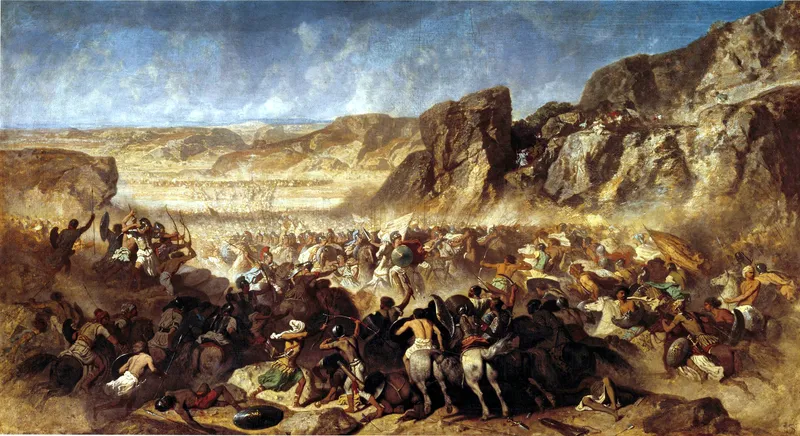
You can learn a land well enough to evade natives, so long as you stick together and keep your head about you.
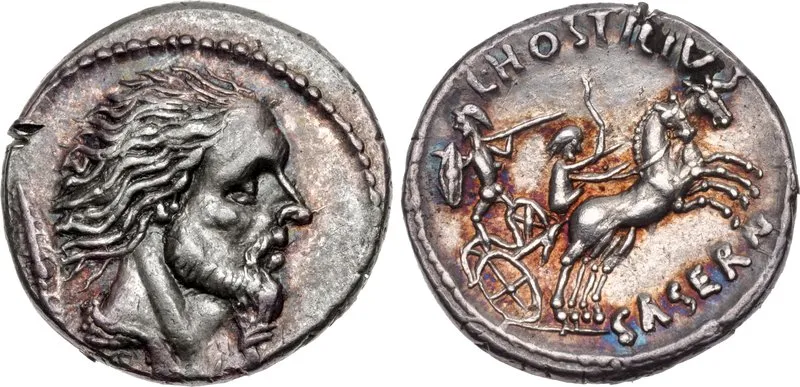
Separa et impera.
Ages 3–7 · for them to read freely from

Pilgrim-of-sword as rabbit.
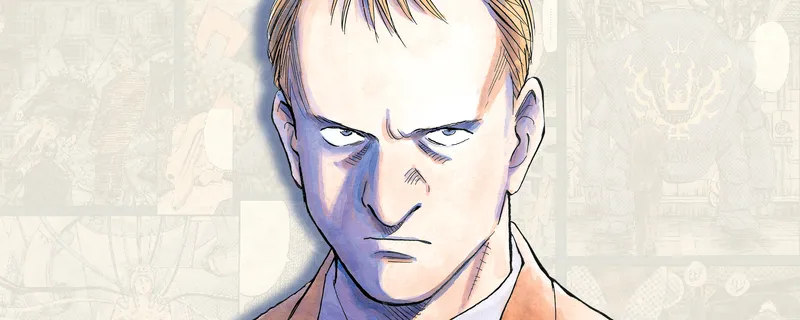
Robot noir as a mirror to the transition into the new millennium.
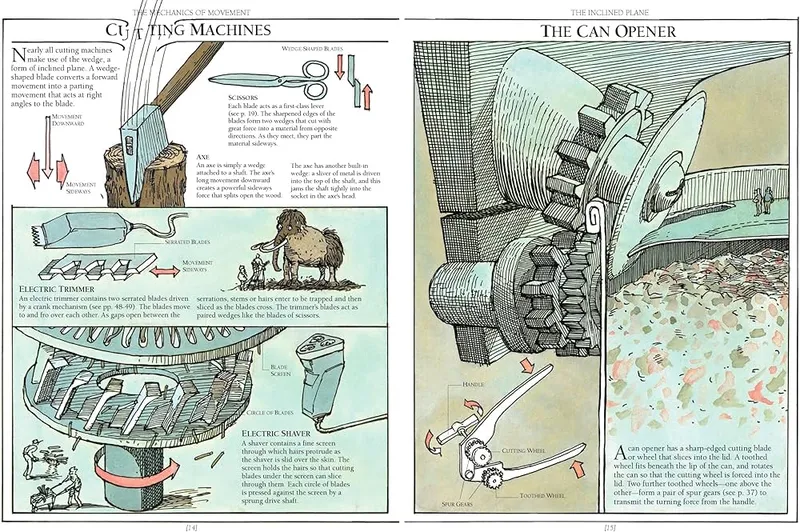
We tend not to notice the parts of things until they break, unless they are made playful and memorable.
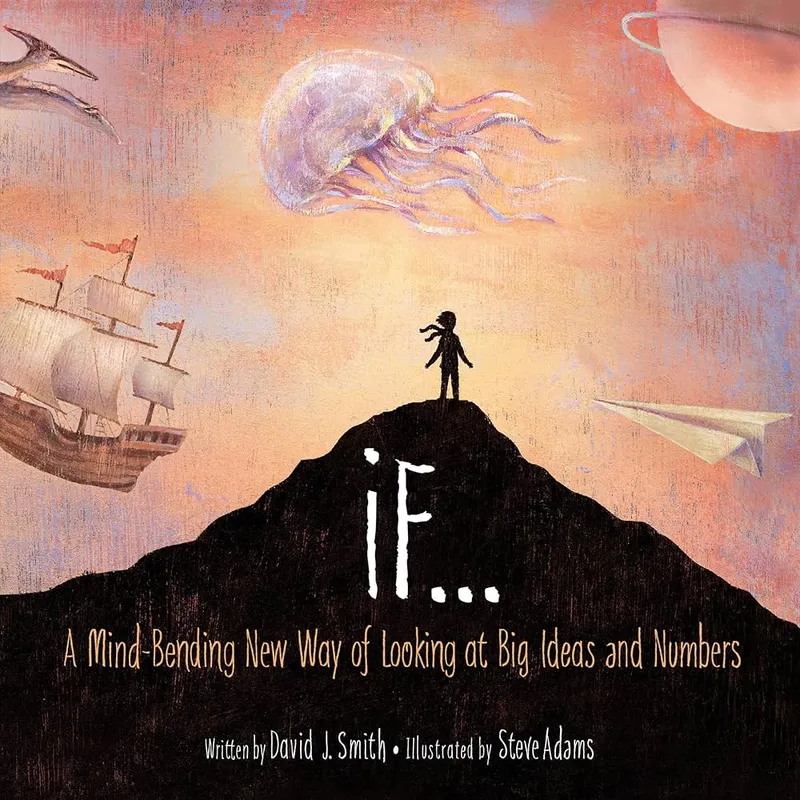
The world is a big place, and knowing how it is composed helps you navigate it.
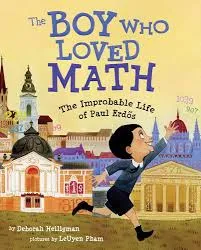
You can devote yourself to something most kids avoid, if you really enjoy it.
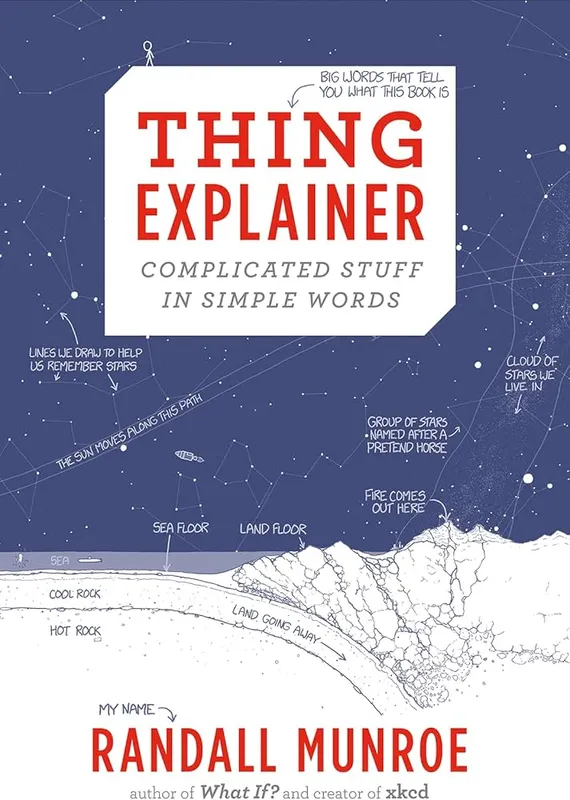
You do not need big words to get an idea of how something works.
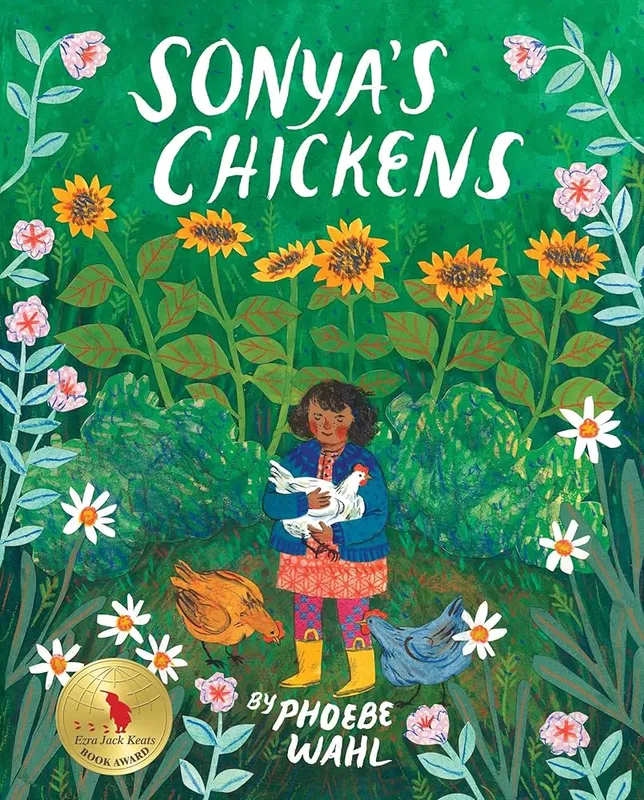
Feeding the ones you love requires killing, for everyone.
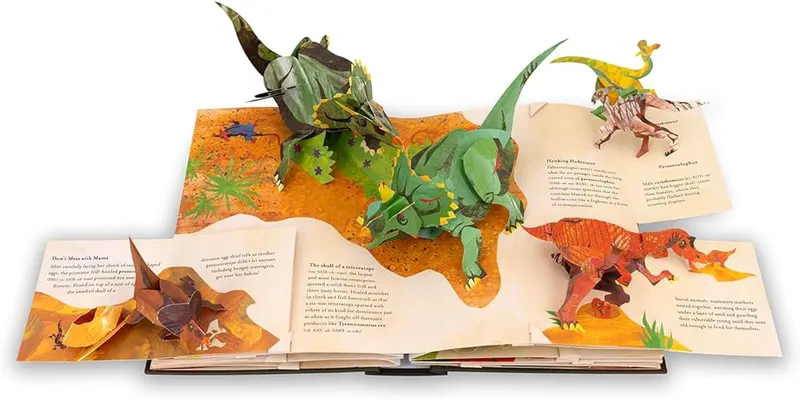
Carefully crafted pop-up.

A life in Japan, in the time of the children's great-grandfathers.

Resistance in the cold north, by a frontier people, in a time when ledgers became more common.

A modern but personal angle on the Iliad.

An American, character-driven view on Germanic peoples right before their Latinization.
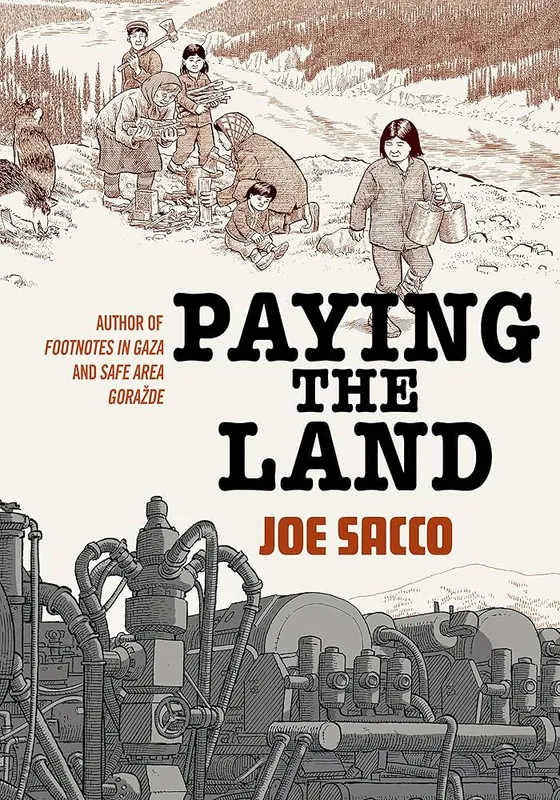
The trade of old life for material wealth, presented through an Athabaskan people in the Mackenzie River Valley.

Following the letter of law to exile will yield works you would never have gotten at home.
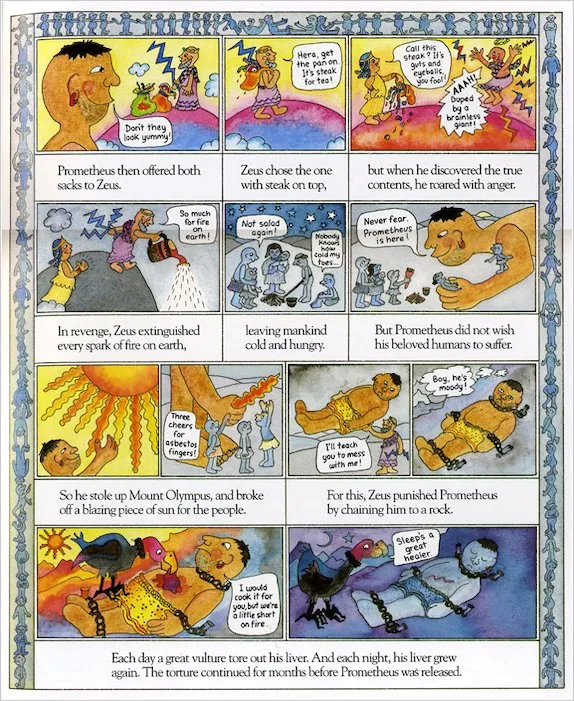
Okay, but what if horses wanted to eat people?
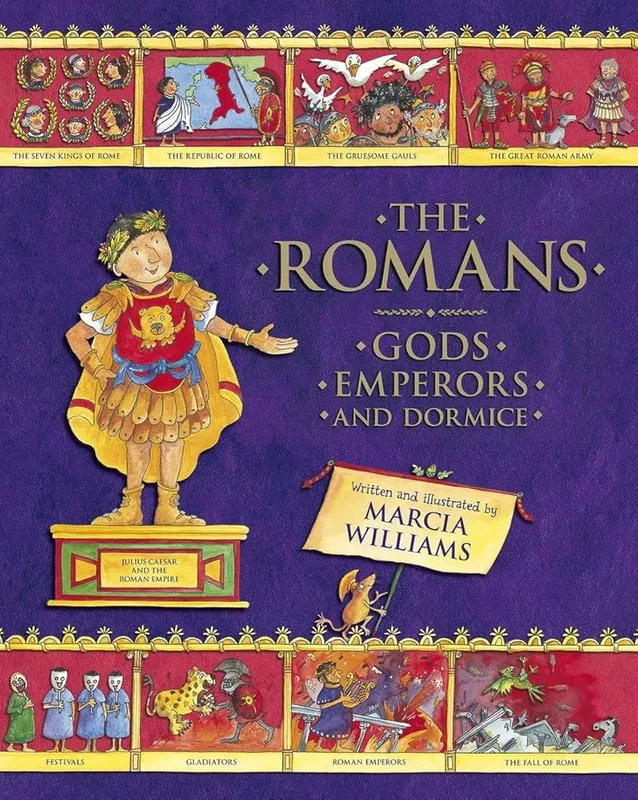
Two guys got adopted by a wolf? What!?
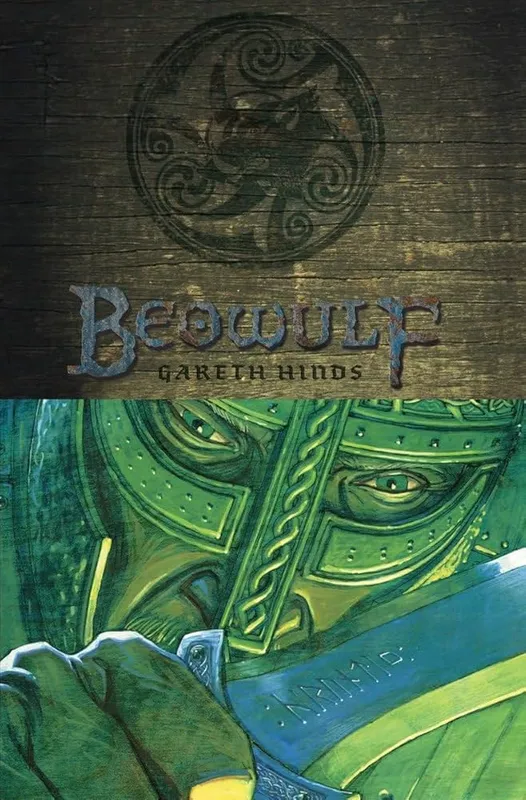
Resentments compound, and the leader must end them, even if it costs him his life.

Philosophy must be grounded in action.
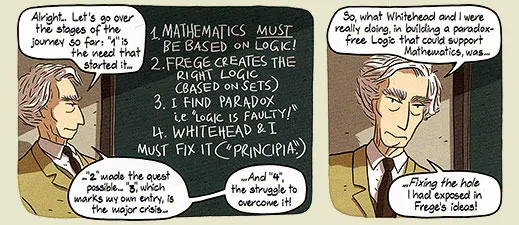
No matter how precise your language, it will not have a bottom describable by language.
Hands-on learning
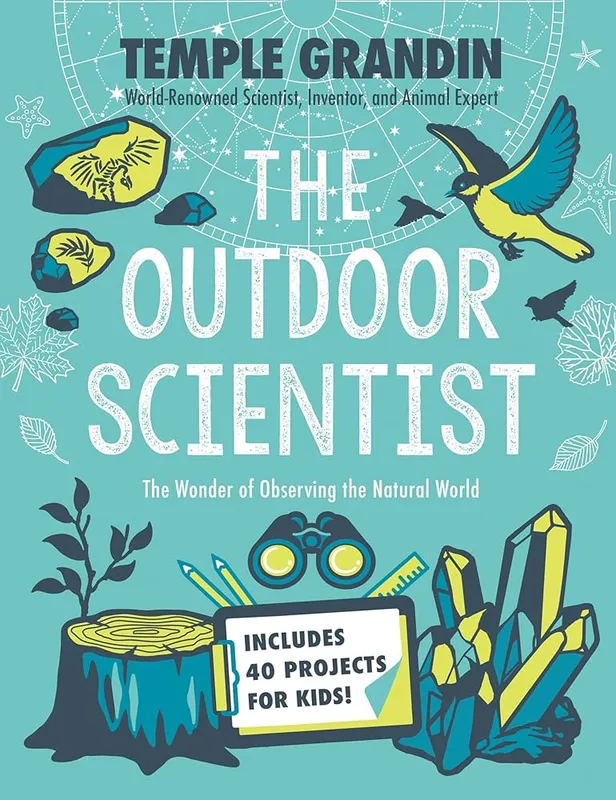
The fundamental laboratory is outside.

We are founded on rocks.
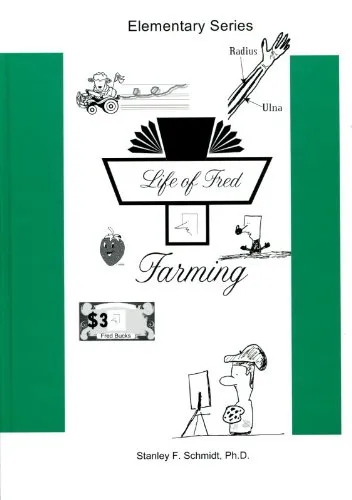
Math can become materially intelligible when it is embedded in a human, animated situation rather than presented as dead abstraction.
Ages 5–10 · Survival, courage, the wild

You can live with the rest of nature.

His books reflect the personal capability present in those constrained to grow quickly.

A few may be called to the wild, but most of us have been tamed.
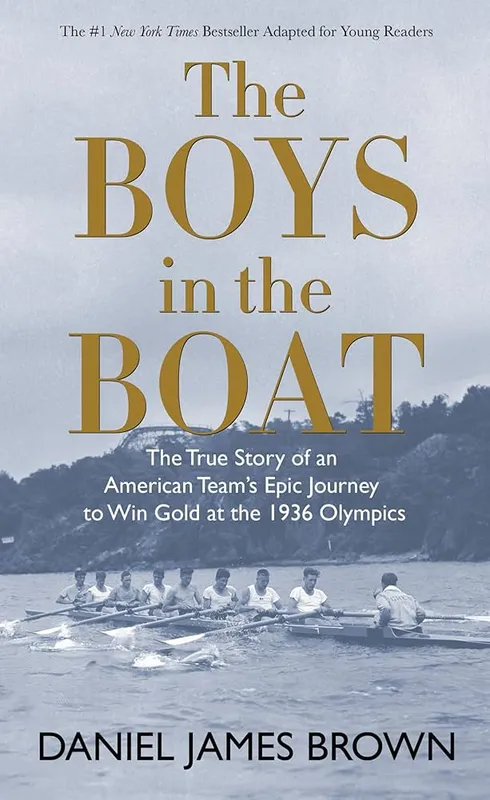
Winning only comes from rowing together.
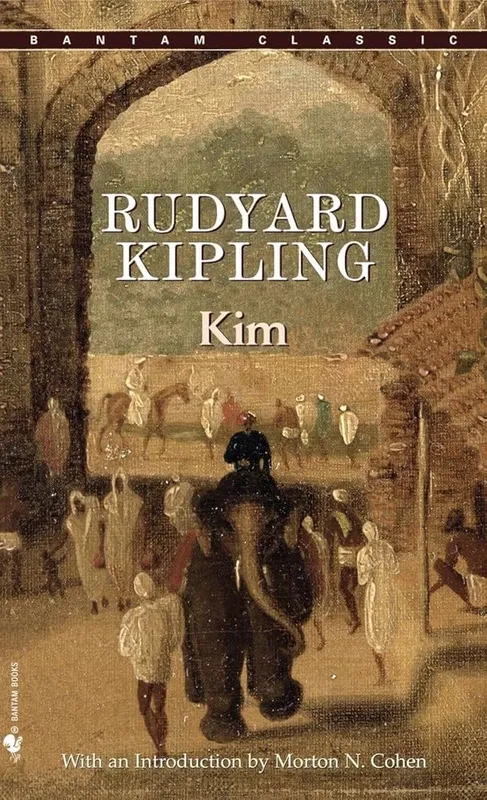
An orphan caught in the Great Game.
Glory matures into service, and every true victory requires sacrifice.

A fictional speculation of what life was like for a native girl of San Nicolas Island surviving alone after massacre and abandonment.
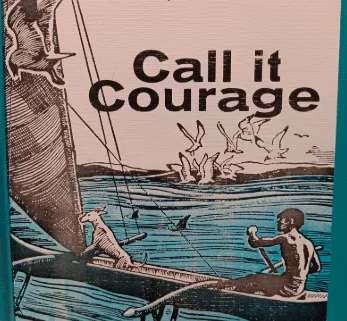
Fear is overcome by sailing directly into it.

Teenagers may grow to be more adult than adults.

A peasant may restore an empire.

Fortitudine vincimus.
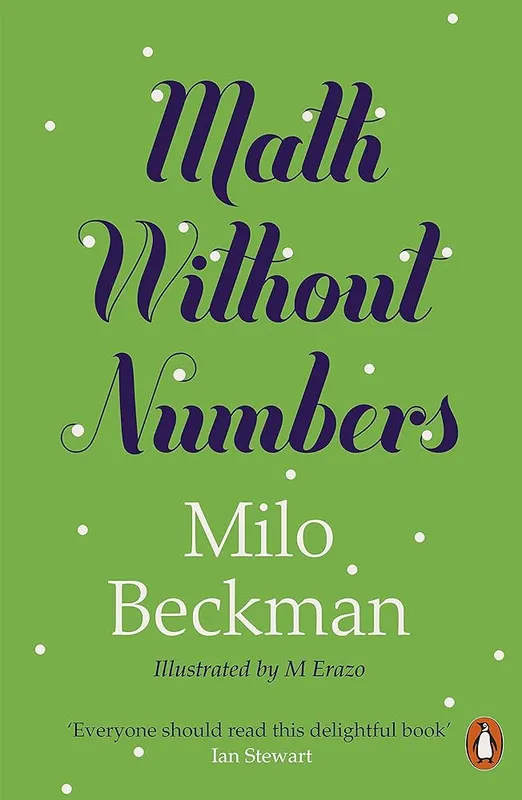
Math is a language, and the thing described by the language can be there with or without the language.
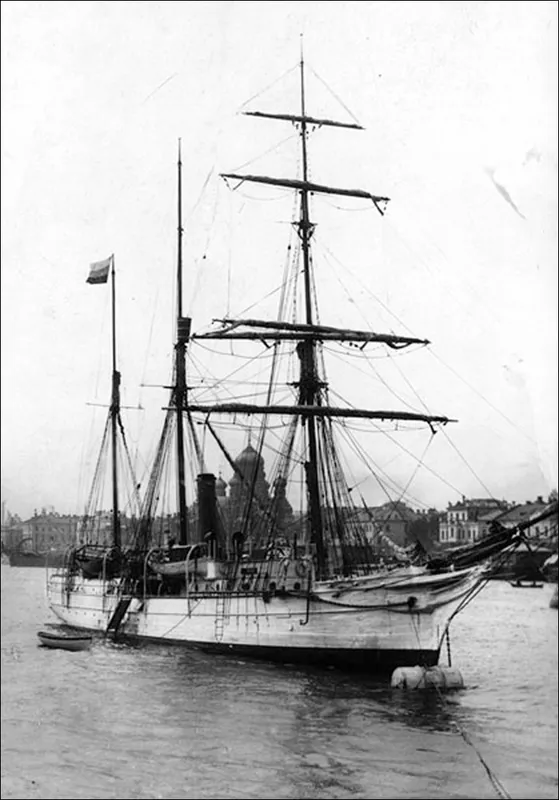
Ten men, against their captain's preferences, against the ice.
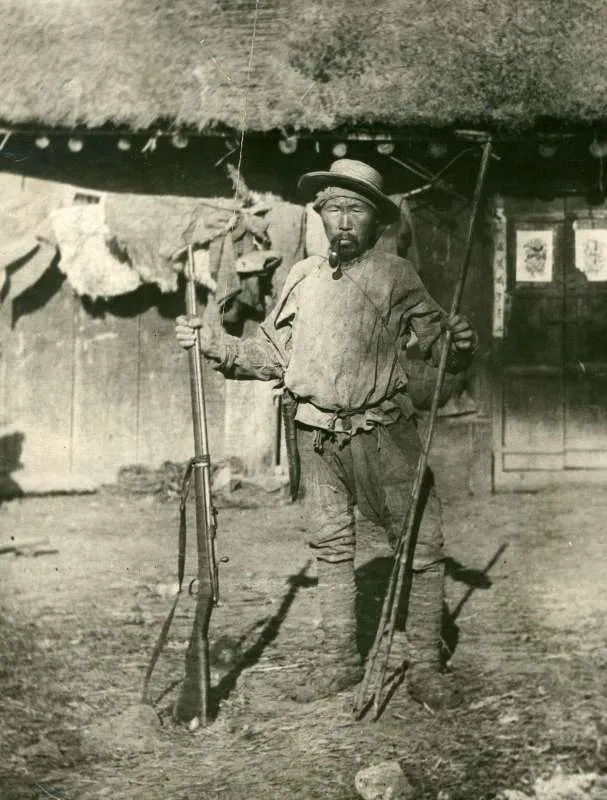
The illiterate animist is no less capable than the literate official, and we will need to look to him to survive when the wild finds us again.
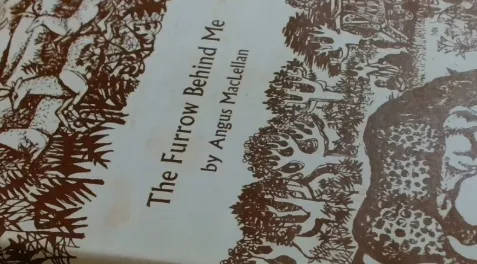
A life of seasons, stone, hearth, and animal is slower, and a slow life is as full as the fast ones.
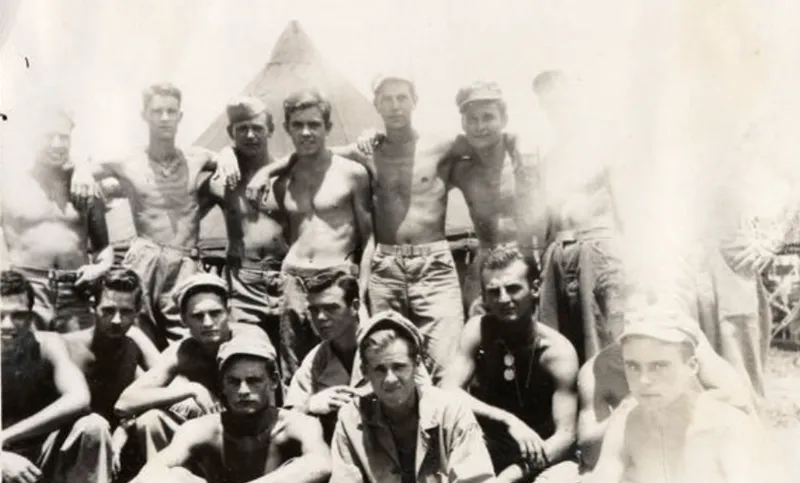
Survival requires total dependence, total conviction, and the total collapse of time.

Luxury and an unearned position can be balanced by scarcity and toil under something vast that treats all fairly.
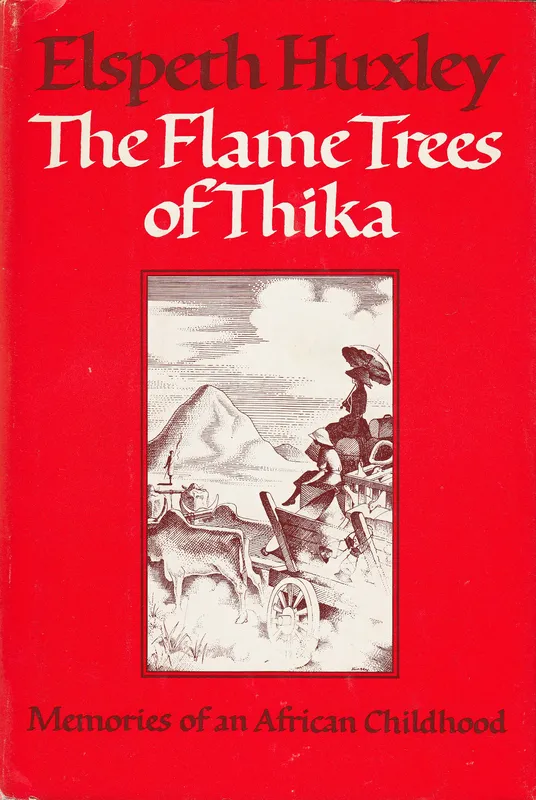
You might be unprepared for rural life, but you will survive if you can afford good local help.
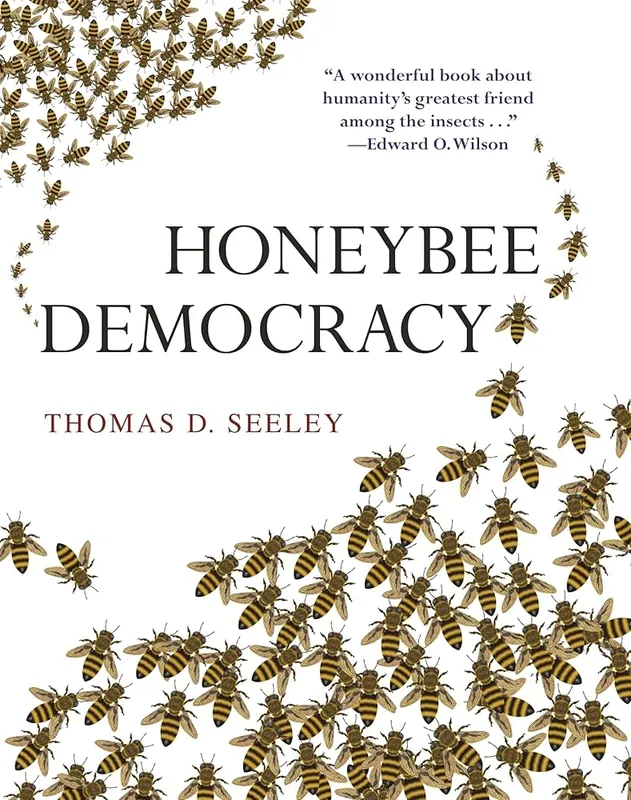
We live in a hive mind.
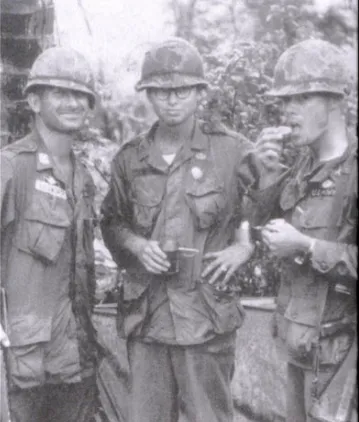
The American Hannibal: a man may see clearly and inspire soldiers to act clearly, but it will not win wars if he cannot convince the people at desks and on couches.

Animal and machine are only ever negotiated with, and beautiful nature punishes mistakes quickly; the future clears as you enter it.

You cannot buy the friendship of a companion bound to you forever by ordeals endured together; such friendships point at the same vastness as the wind, grass, sand, and stars.
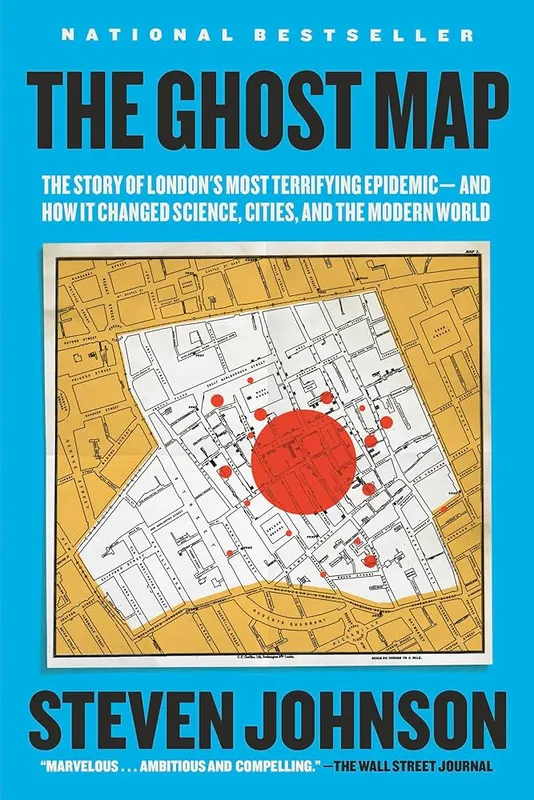
Cities, innovation, culture, disease, and prediction show how breakthroughs arise when many tributaries converge and lift a mind above its age.
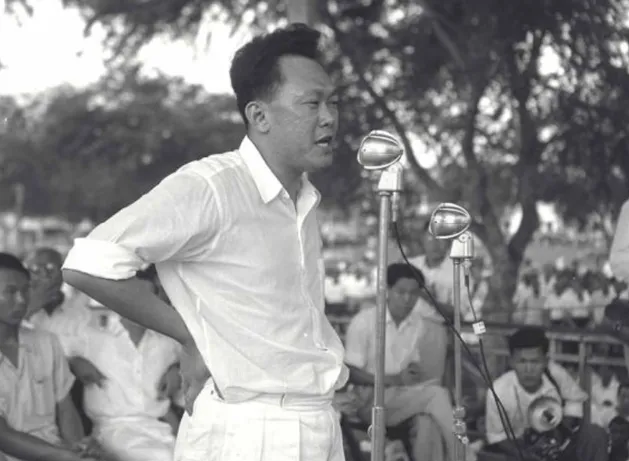
It is not enough to play other powers against each other; they must be balanced with precision, for harmony.
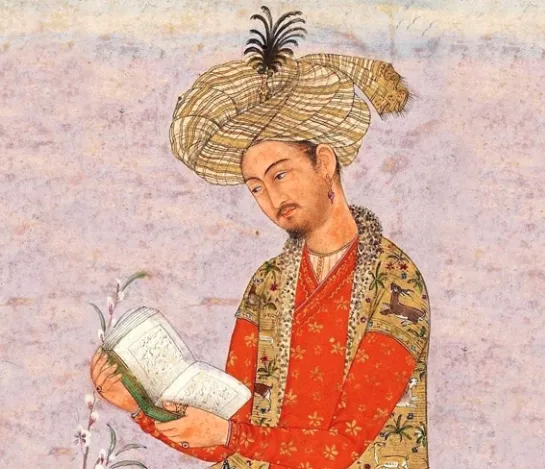
You can conquer an empire and still feel homesick.

Many things considered impossible to build are not, if you have the will to sacrifice everything for them.

An Italian, whose father wanted independence from France, was able to conquer Italy for France by age 28.

Power compounds in little promises.
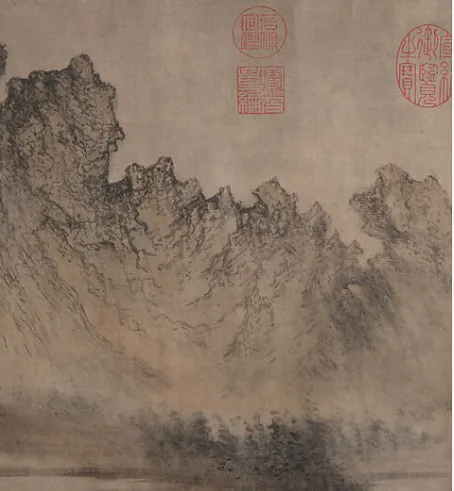
The longest-running civilization is Chinese.
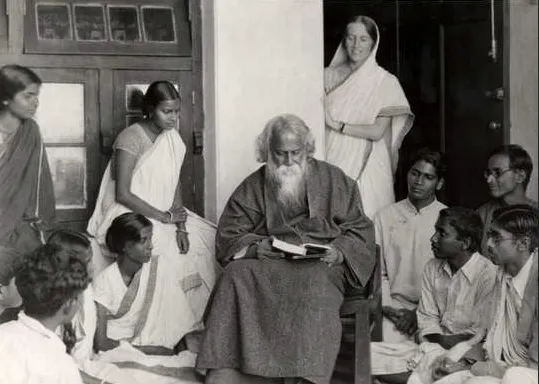
We all reckon between a wider society and our tribe, between peaceful submission and relentless persistence.

Cancer rates are rising in adults in their prime, and it is a war we must win one day.
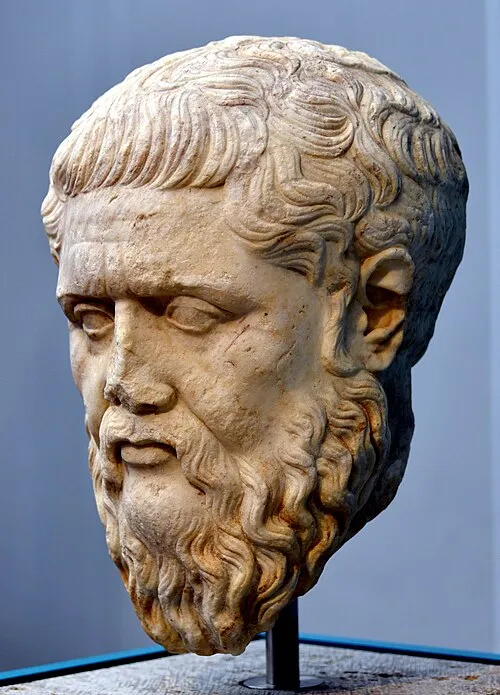
We have not added that much to the cycle of government yet.
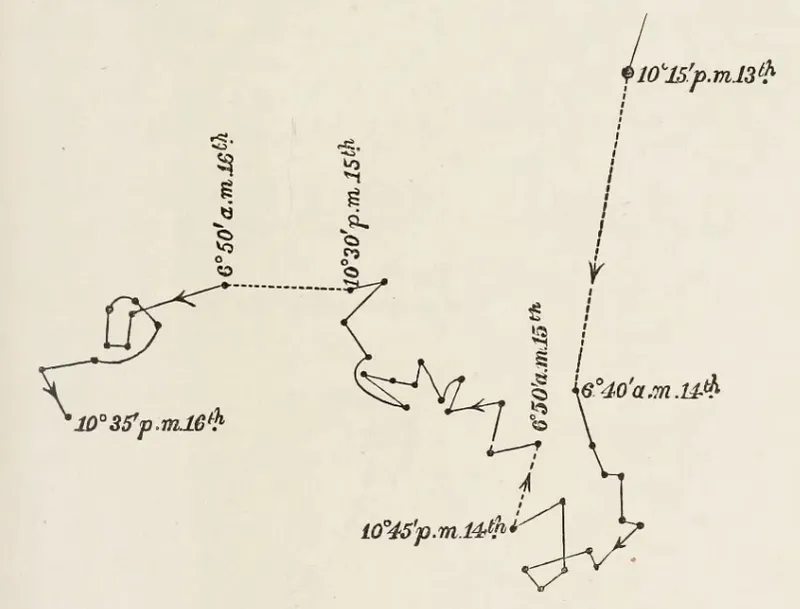
Once you feel it, you cannot stop feeling everything it touches.
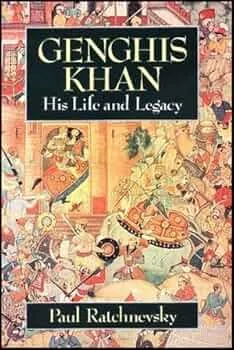
How did a man raised by a homeless single mother forge the single most effective land force the world has ever recorded?

The board we are pieces on has layers, and each layer tells us more of where we are.

Malthusian assumptions shape most educated people's worldviews.

The whole of a nation is greater than the sum of its parts.
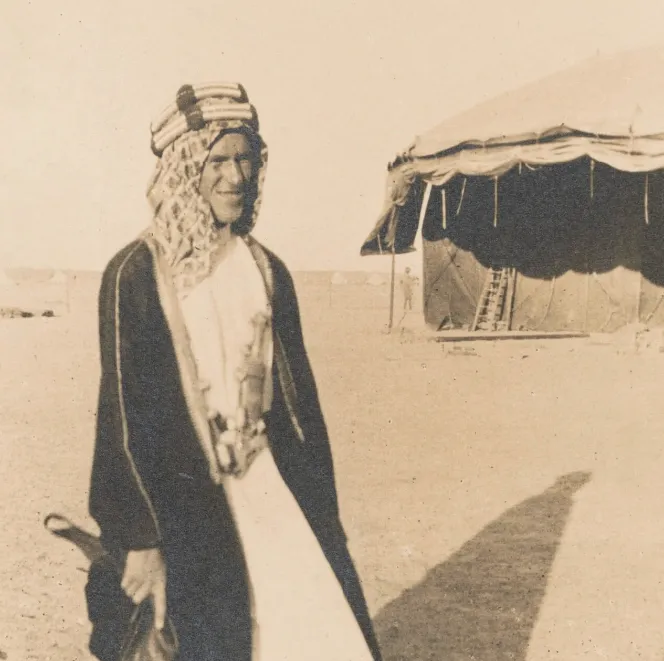
Going a little native is the only way to understand a people, if you want them to be true allies.

Logistics, planning, and understanding the details of what man, machine, and animal can do, and when.
Attend to the cyclic rhythms of groups shaped by land, and you just might take the next steps of the dance on beat.

Insects getting things done with very little brainpower reveals what “intelligence” often really meant in the 20th century.
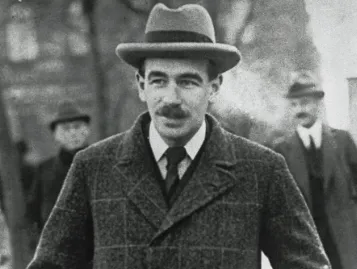
When the bankers decided, perhaps correctly, that we needed a firmer hand.

The father of the 21st century.

What if you are not the center?

There are some invariants; find them, and the world becomes easier to move.
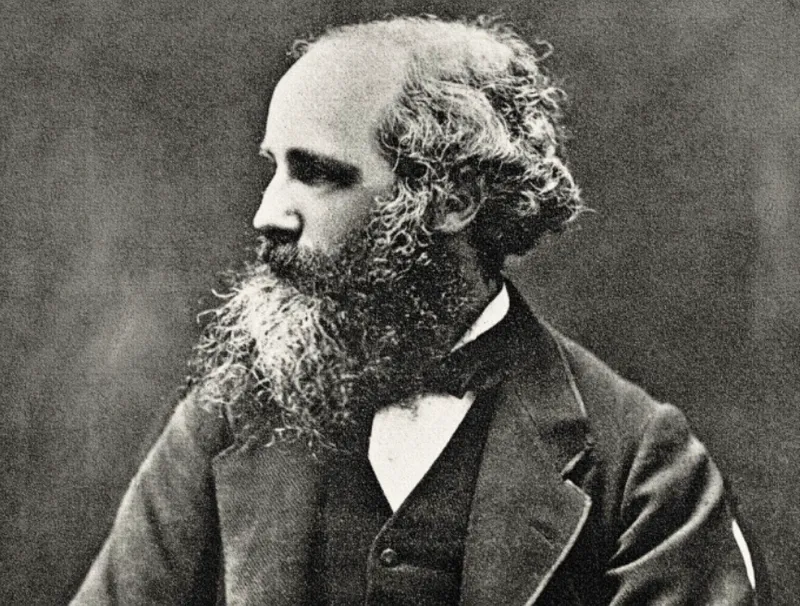
Electricity, radios, motors, and the connection of global civilization.
Through the root of most assumptions is some philosopher's thought; depending on live interests, the relevant philosopher will be presented.
Taxes, raising funding, negotiating with institutions, and other necessities of movement in our times.
All ages · Strategy, systems, command
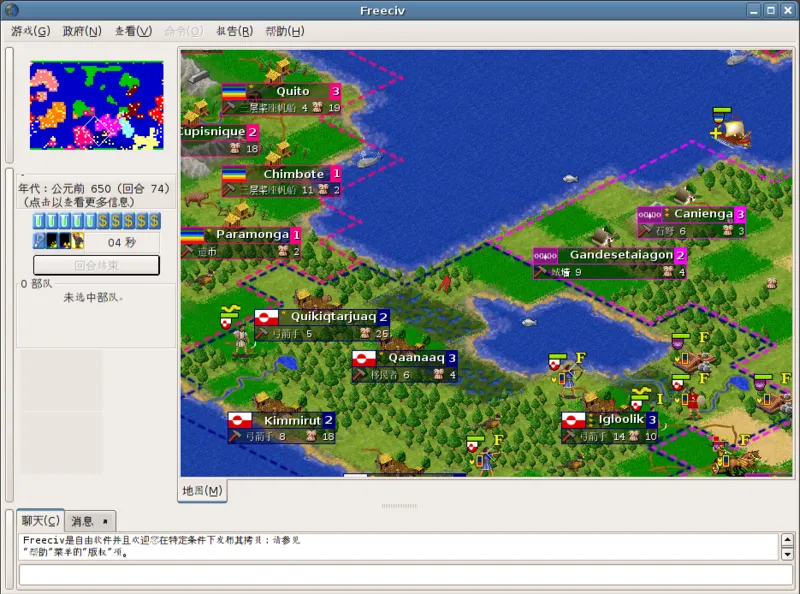
Dependency trees, like physarum on a board.
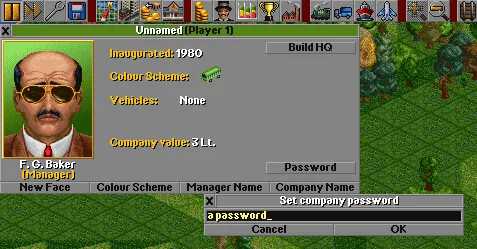
Managing switches.
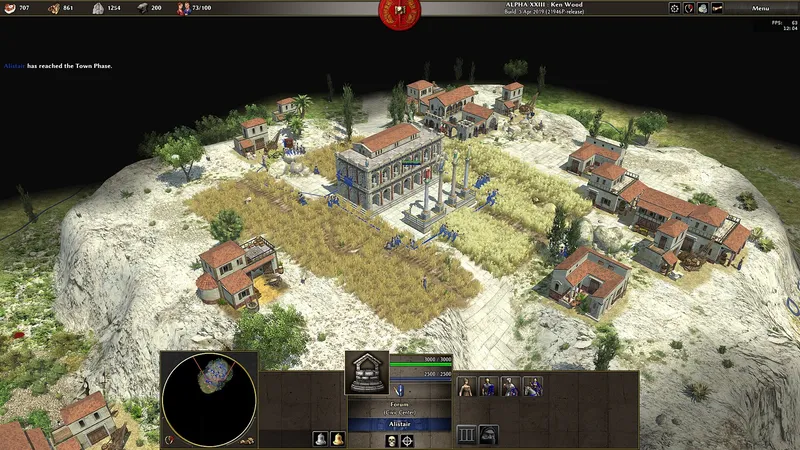
Dependency trees with tactics.
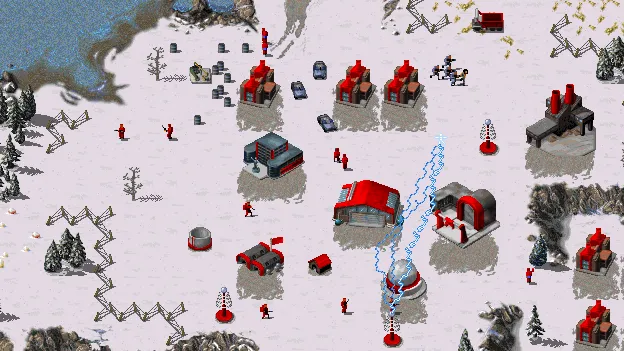
Production often overwhelms.
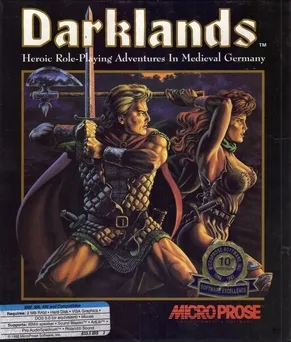
An ’80s fever dream of the Holy Roman Empire beset by actual demons.
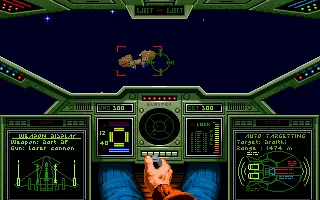
Keep your team alive enough to win.
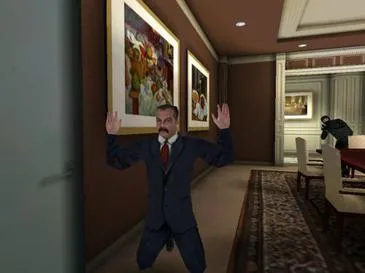
Geometry and tradeoff decisions: shoot or don't shoot.
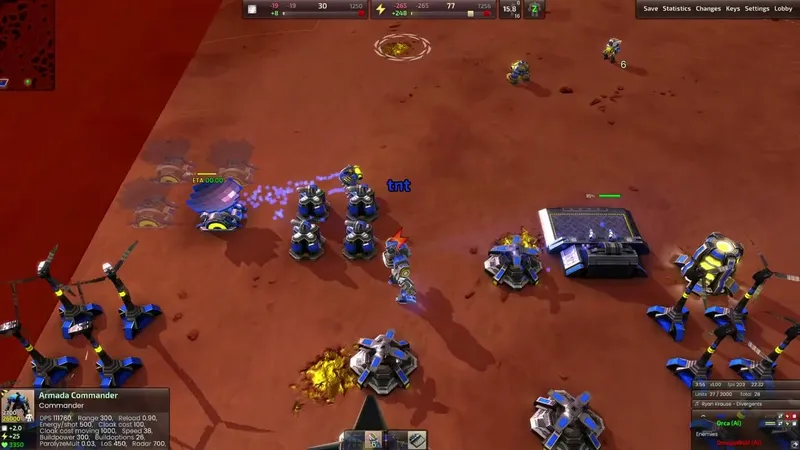
The tactics of continuous production flows.
Putting the positional in RTS.

Business or piracy, either way you will be caught up in a sea of conflicts and permitting.
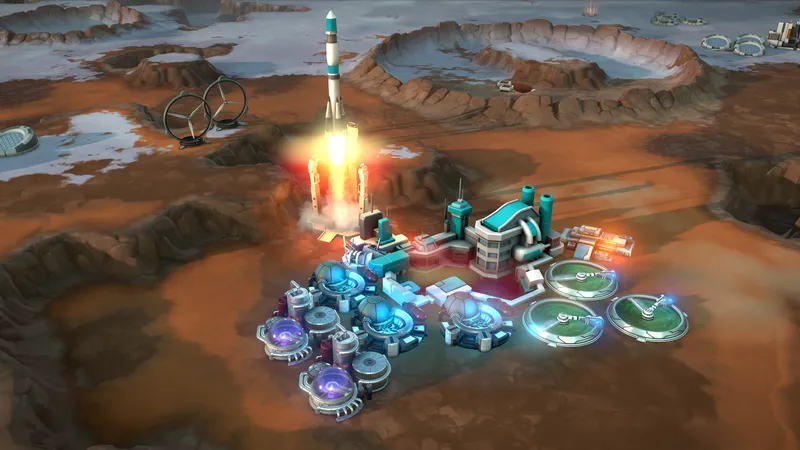
The tactics of debt dynamics.

Debt gives a countdown on what must be won that can be sold.
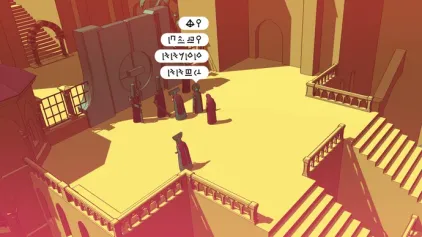
Language games have ruled more and more as the physical world has been tamed.
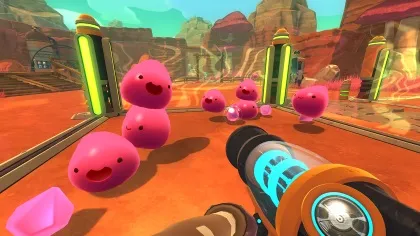
Digital husbandry.
Ages 11+ · Depth, simulation, mastery

In the cockpit and on the map, at once.
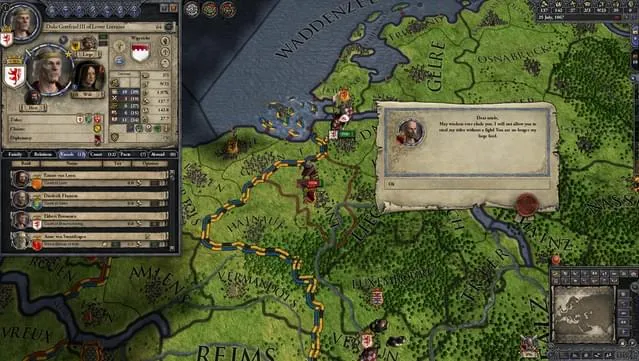
Borders are the machinations of families, and your family dies out if you run out of living children.
CQB geometry, made clear.
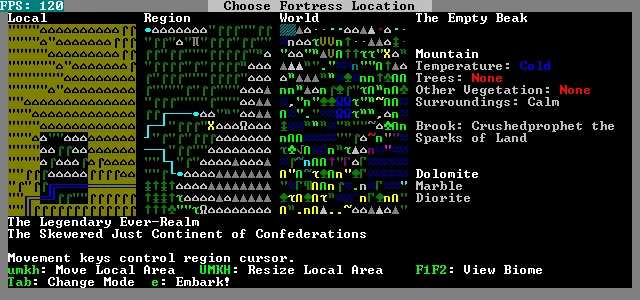
Agent-based modeling.
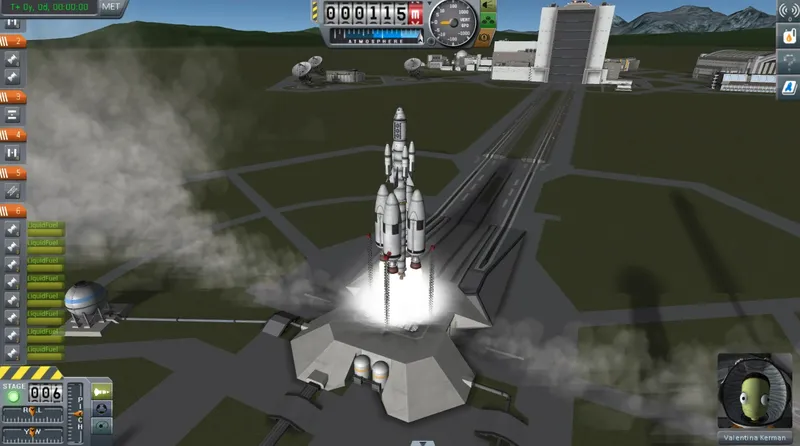
The physics of rockets without backyard explosions.
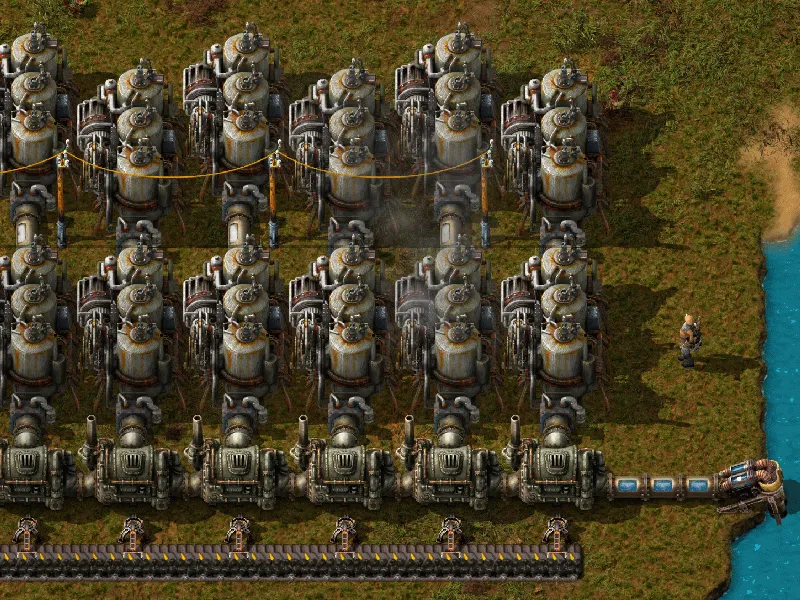
Logic gates rule much of our world now.
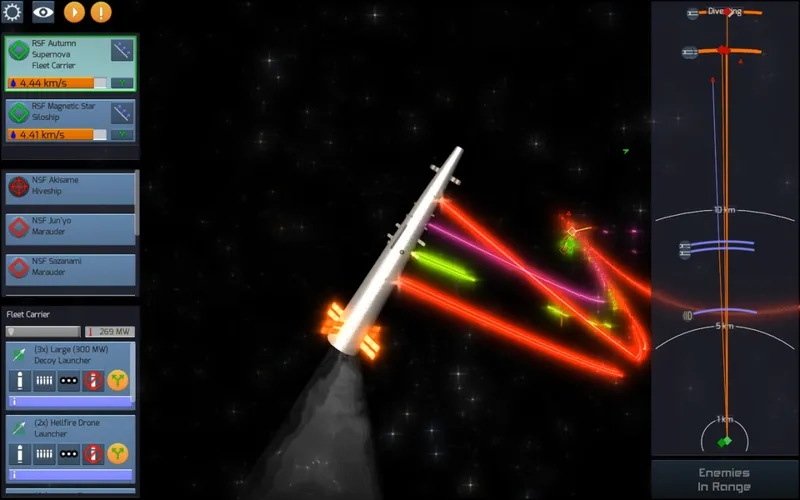
The physics of space battles.

Flight sim with opposition.
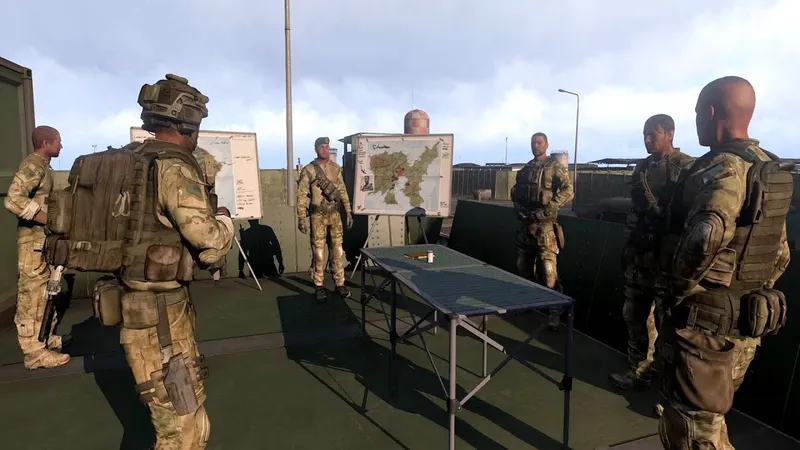
A field problem without mosquitoes, sweat, stink, and other gunk.
Stories told in light
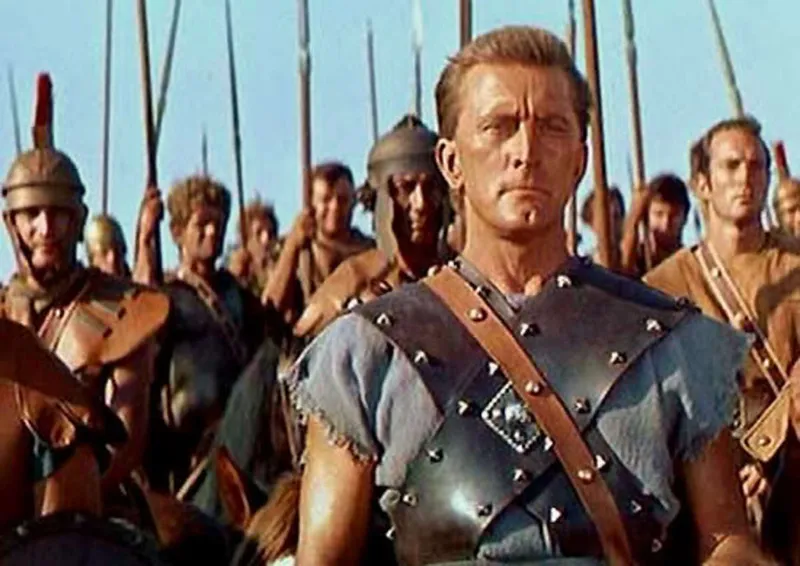
When enough slaves are fighters, those slaves may threaten the greatest empire.
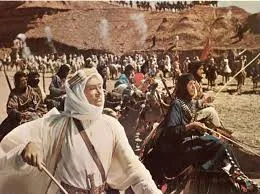
An environment makes a people, and living with them will yield options that would never have appeared otherwise.
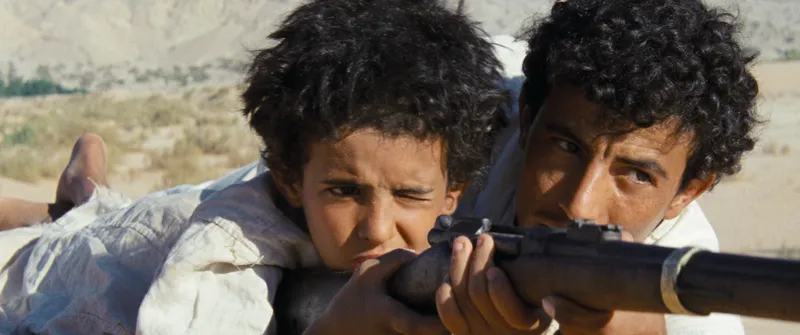
Honor is a force of nature, no matter boy or man.
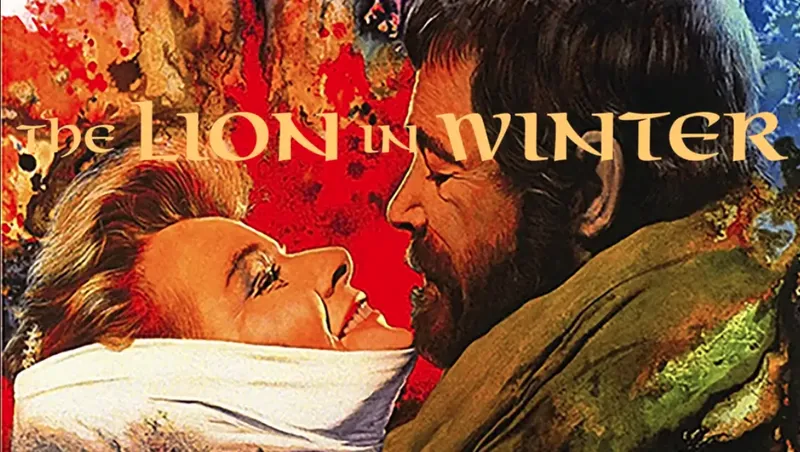
Succession is a sure drama.
Witnesses to memory
One experience, one aim, one craft, one life.
WWII is the founding myth of our time. This captures a snapshot of men on the ground.
A war turning at sea, with aircraft.
As the Mongolian Empire used the horse, Rome had the road, and the British had the ship, the American Empire rose in the air.
As the Mongolian Empire used the horse, the Brits used ships, and Rome had the road, the American Empire rose in the air.
Vietnam on the ground.
From the Eastern Front of WWII.
The Bear Went Over the Mountain.
The Eagle Went Over the Mountain.
A nation-state dies.
Man & machine, at speed.
The wake of 9/11 for the common soldier.
Working with big animals.
Sylvie von Duuglas-Ittu set out to have the most combat sports matches, but she ends up showing the most comprehensive encyclopedia to excellence within one game.
Going down a snowy slope on a board.
The craft of ritual at its most coordinated.
Marriage to reality.
What two can do.
How everyday machines work.